What a captain actually does
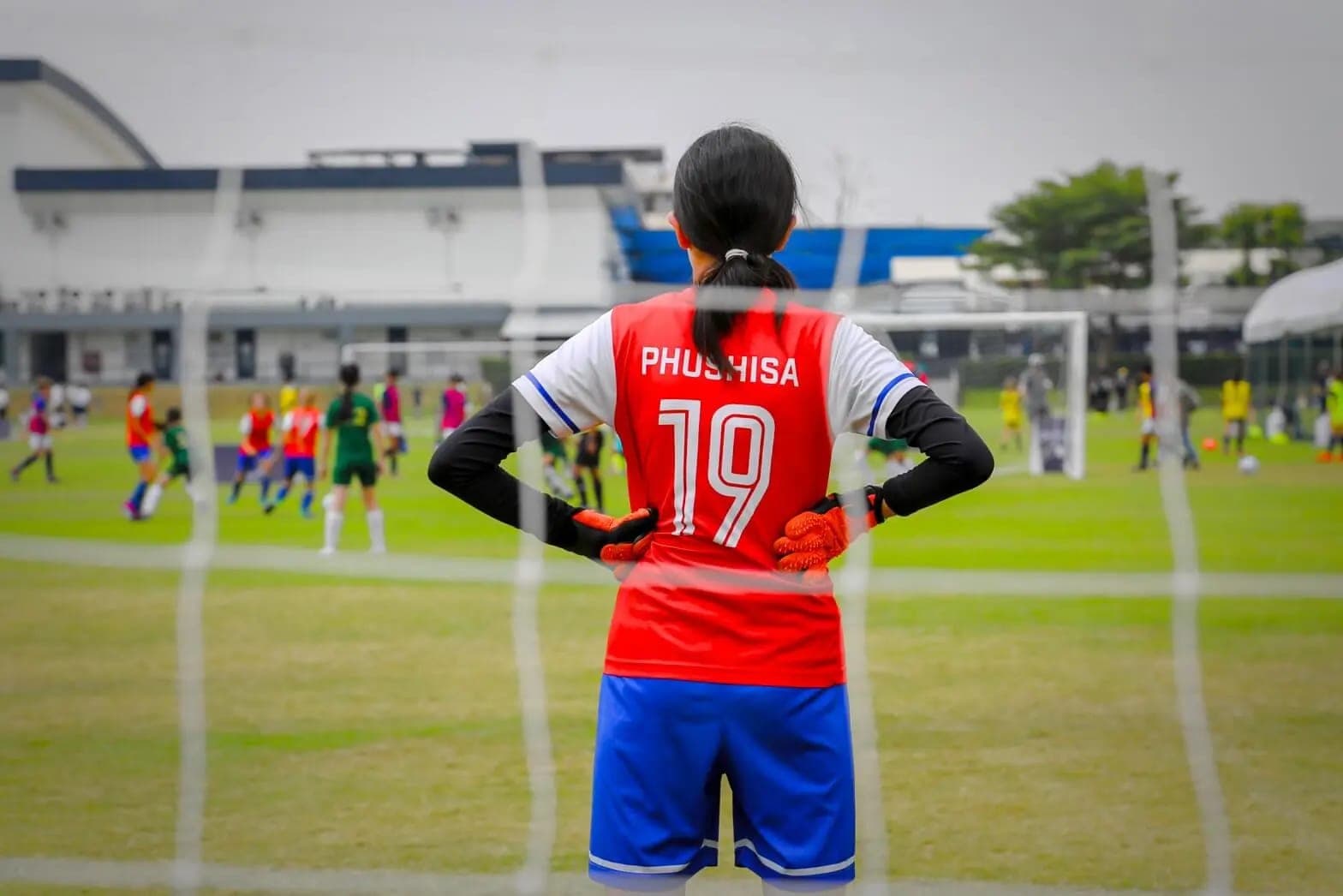
Phushisa wears the armband now; Vanessa wore it before her. It is not a reward for being the best player - here is the job as it is done at this club.

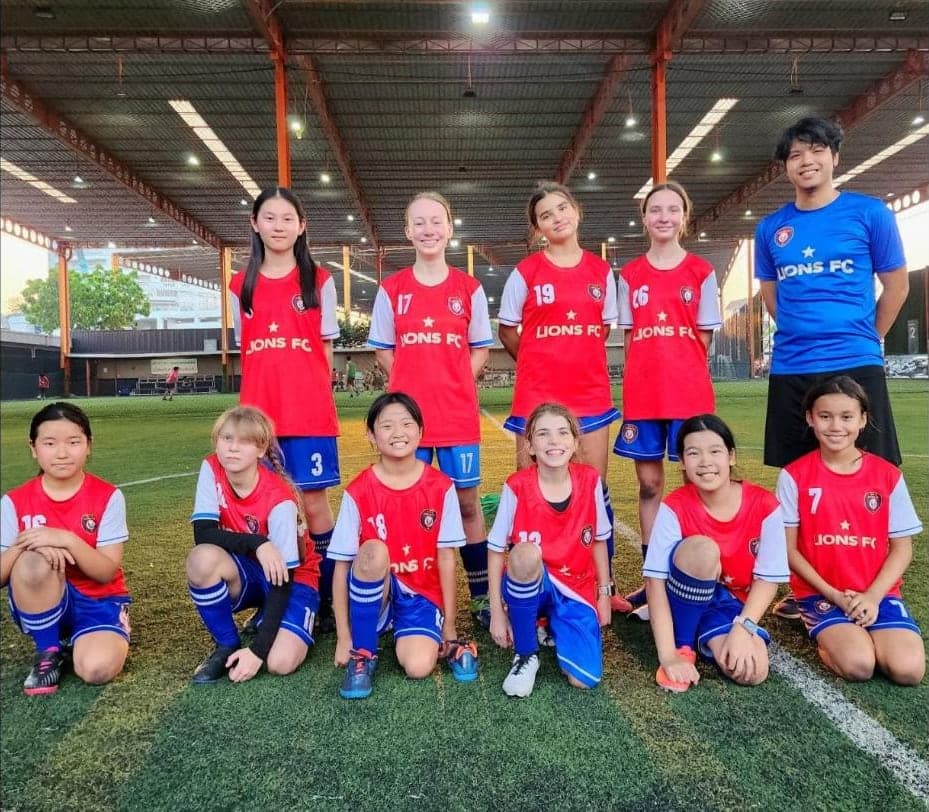
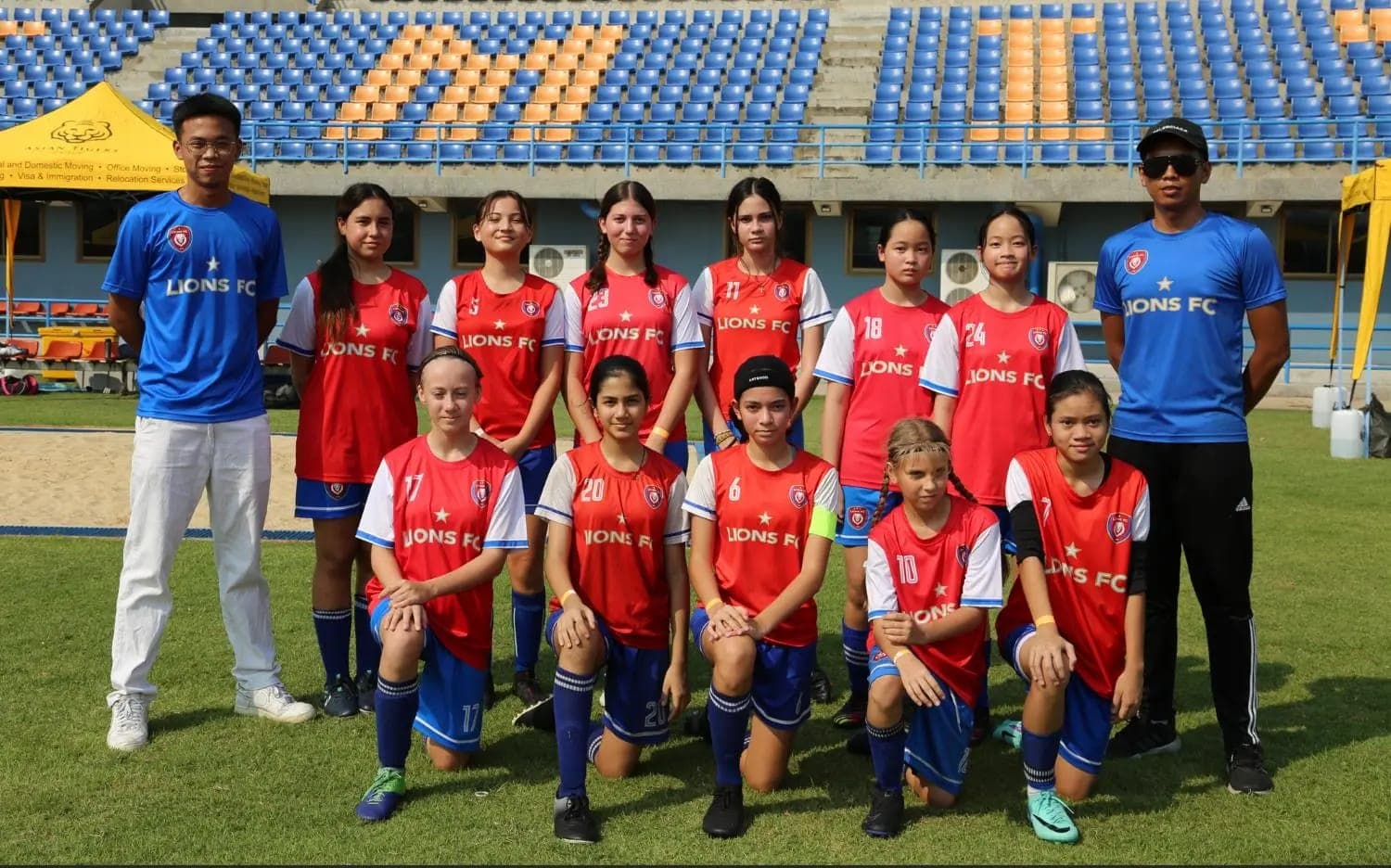
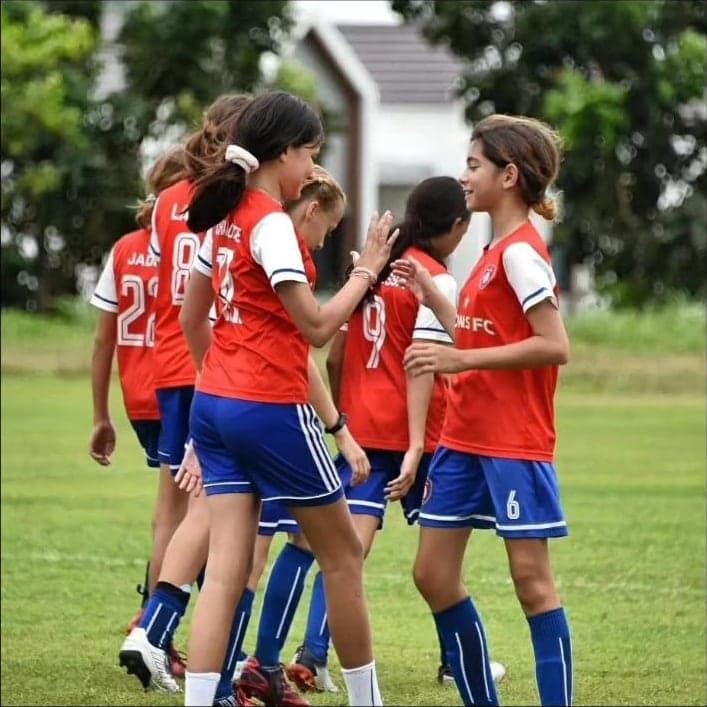
Say hello to our captains: Phushisa, who wears the armband now, and Vanessa, who wore it for years before moving abroad - she plays for a club in Austria these days. It is worth saying what the job actually is, because it is not what most people assume.
A captain is not the best player in the team, and she is not the loudest. She is the one the others look at when a game is going badly.
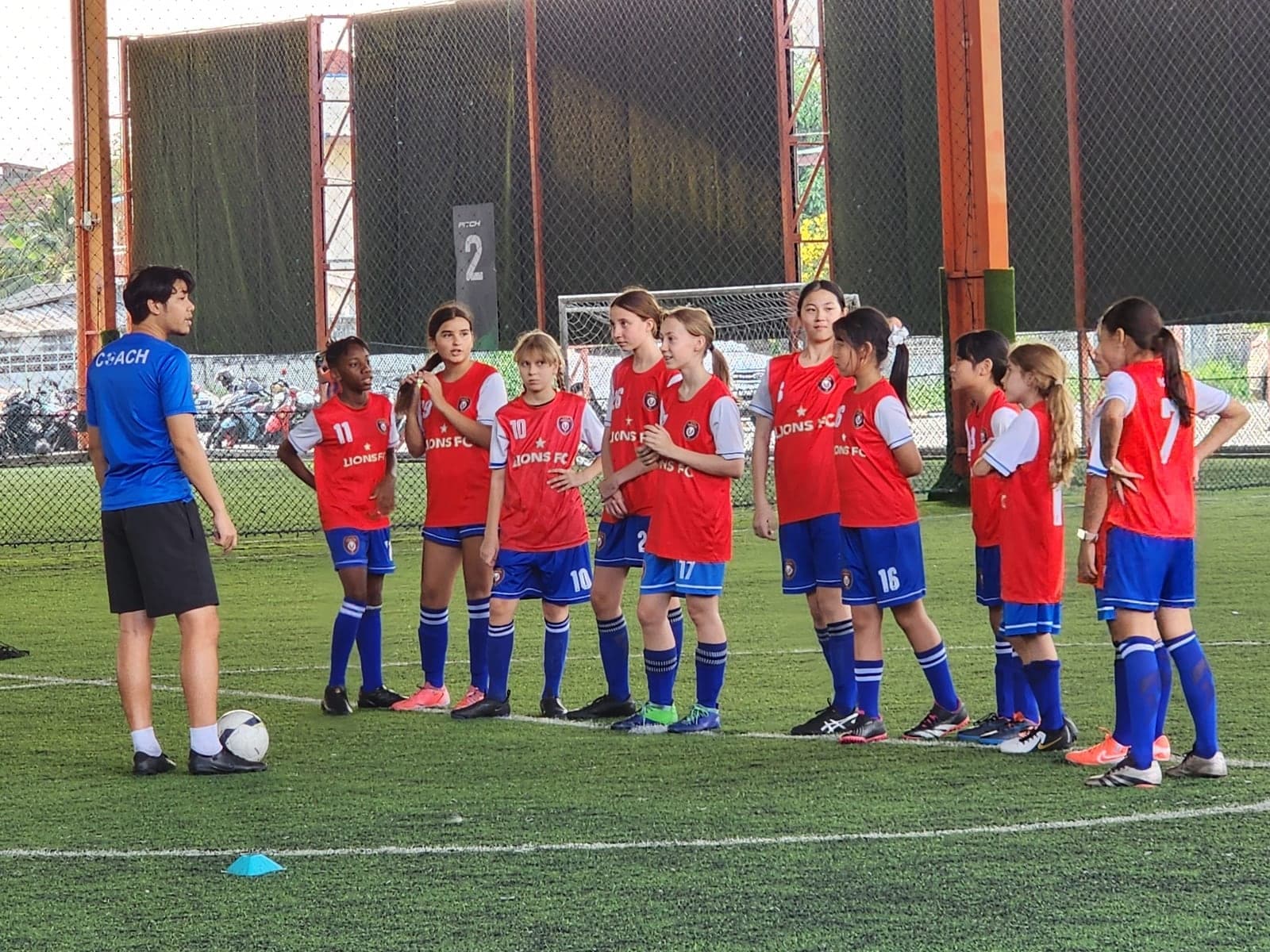
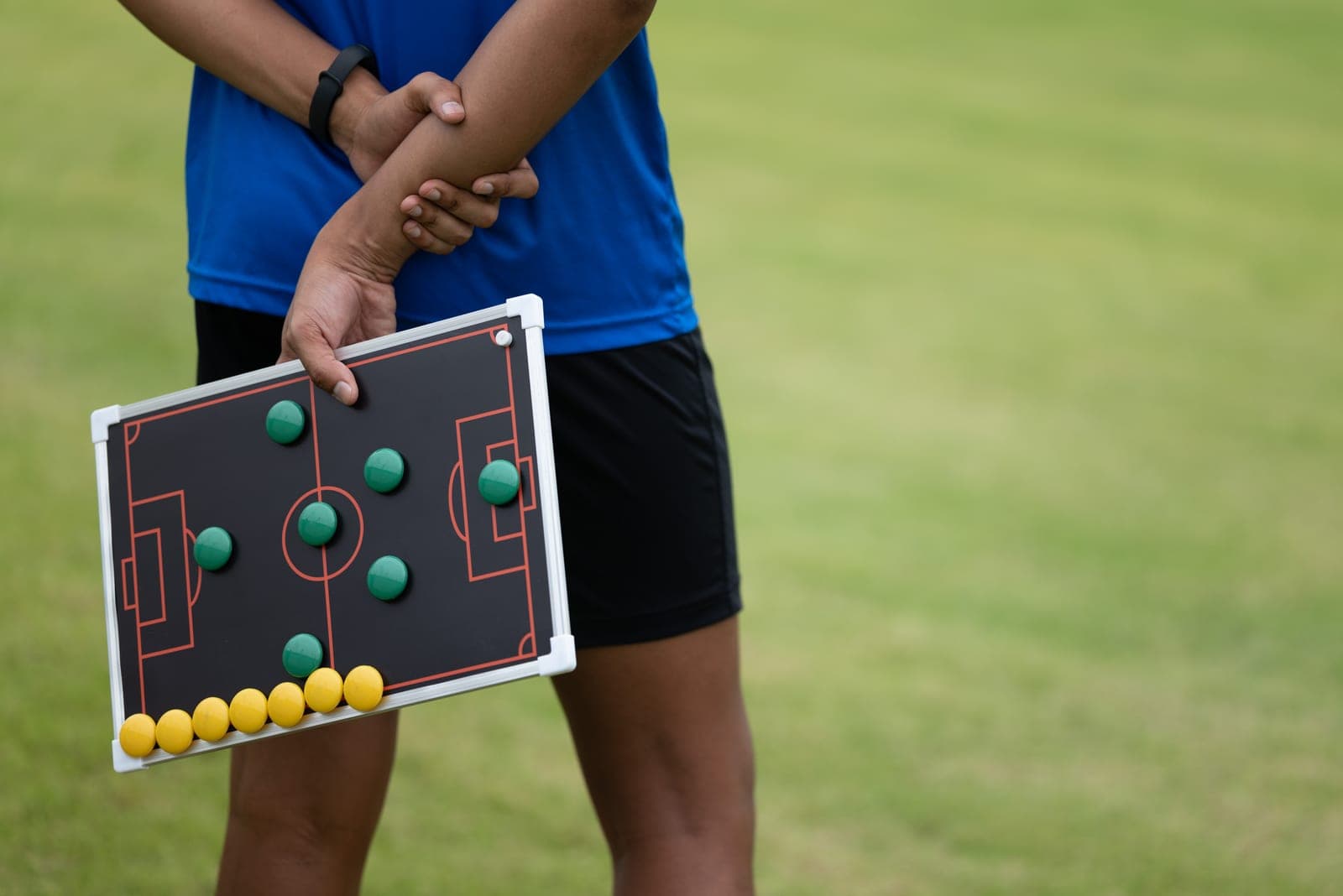
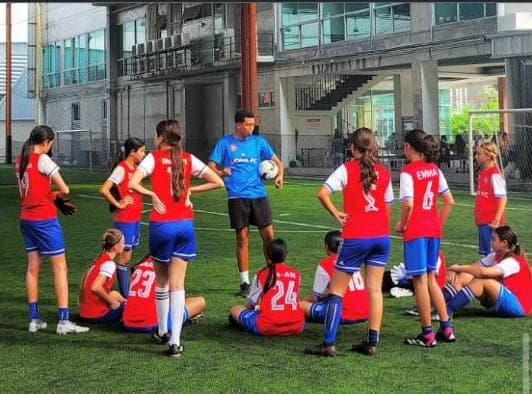
Leading is most of it. She sets the example, stands between the coach and the players, and is the first to say the thing nobody wants to say. Communication is the rest: she carries the coach's plan onto the pitch, helps organise the game around her, and keeps the team talking when a match stops going to plan. She is also the one who has to settle an argument between teammates before it turns into a sulk that costs the next twenty minutes.
What it asks of her personally is harder than any of that. Composure, because the whole team reads her reaction and copies it. Experience, including the losses - a captain who has only ever won has nothing to offer a teammate having a bad afternoon. The ability to look at a game while she is inside it and work out what needs to change. And the willingness to train in a way she would be happy for everyone else to copy, because they will.
None of this is taught in a drill, and none of it is on a scoresheet. It is also the part of football that our players take furthest away from the pitch.