How team sport teaches a child self-control
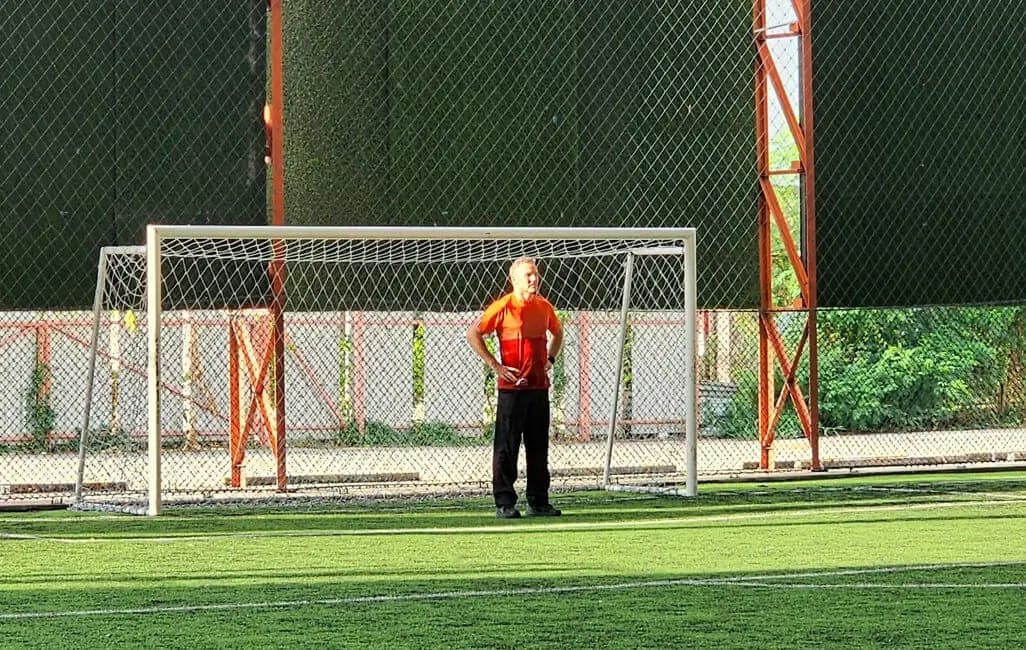
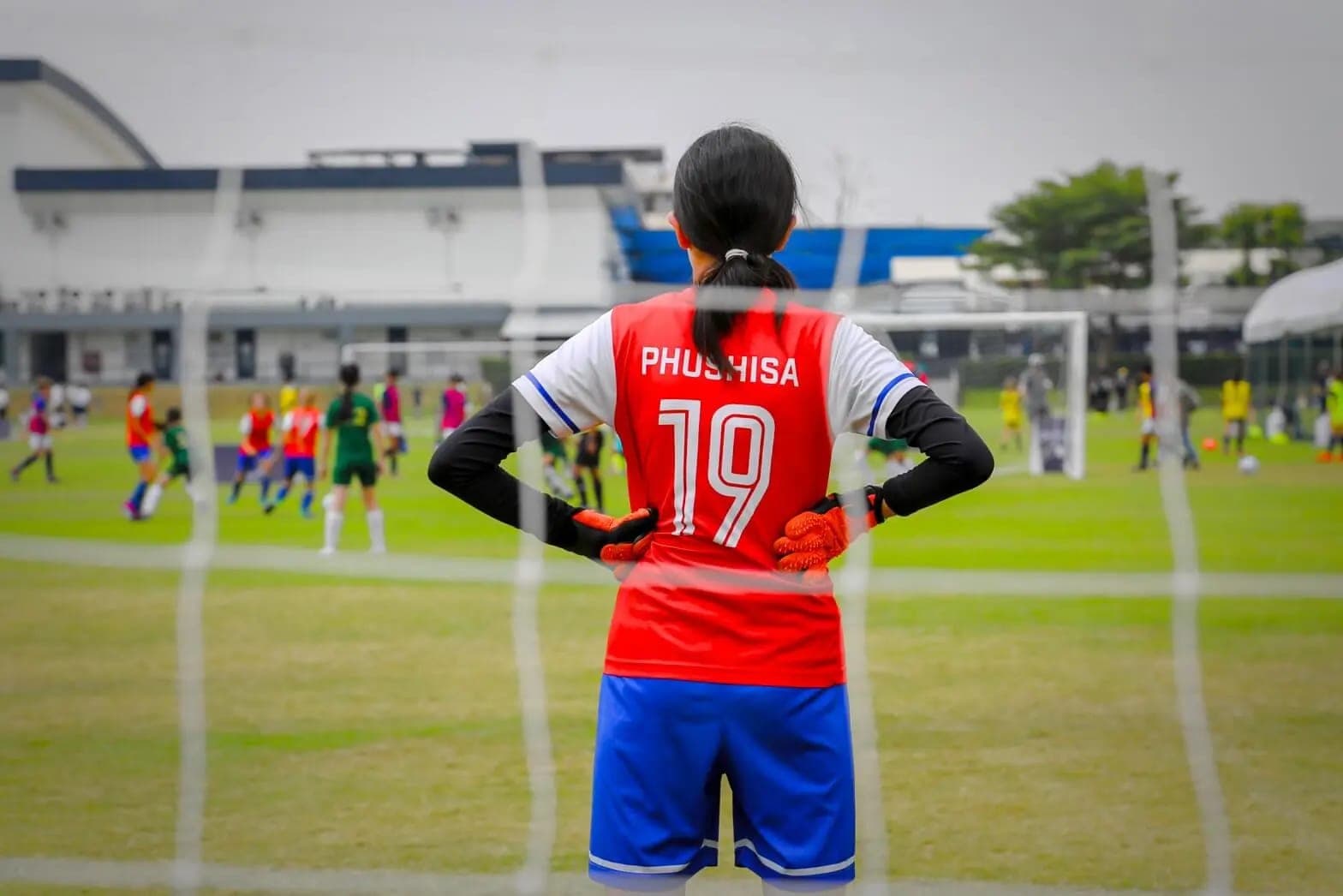
A bad decision, a goal conceded, a shout from the touchline. What a girl does in the next ten seconds is a skill, and it is one football practises harder than school does.
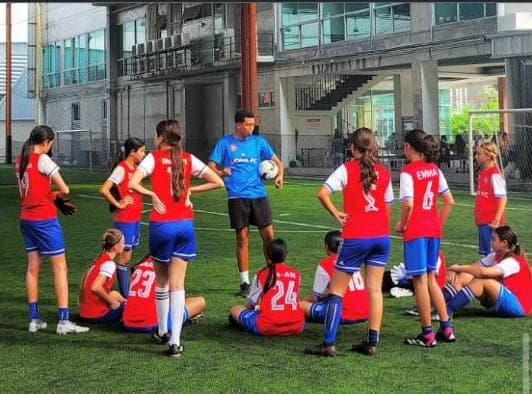
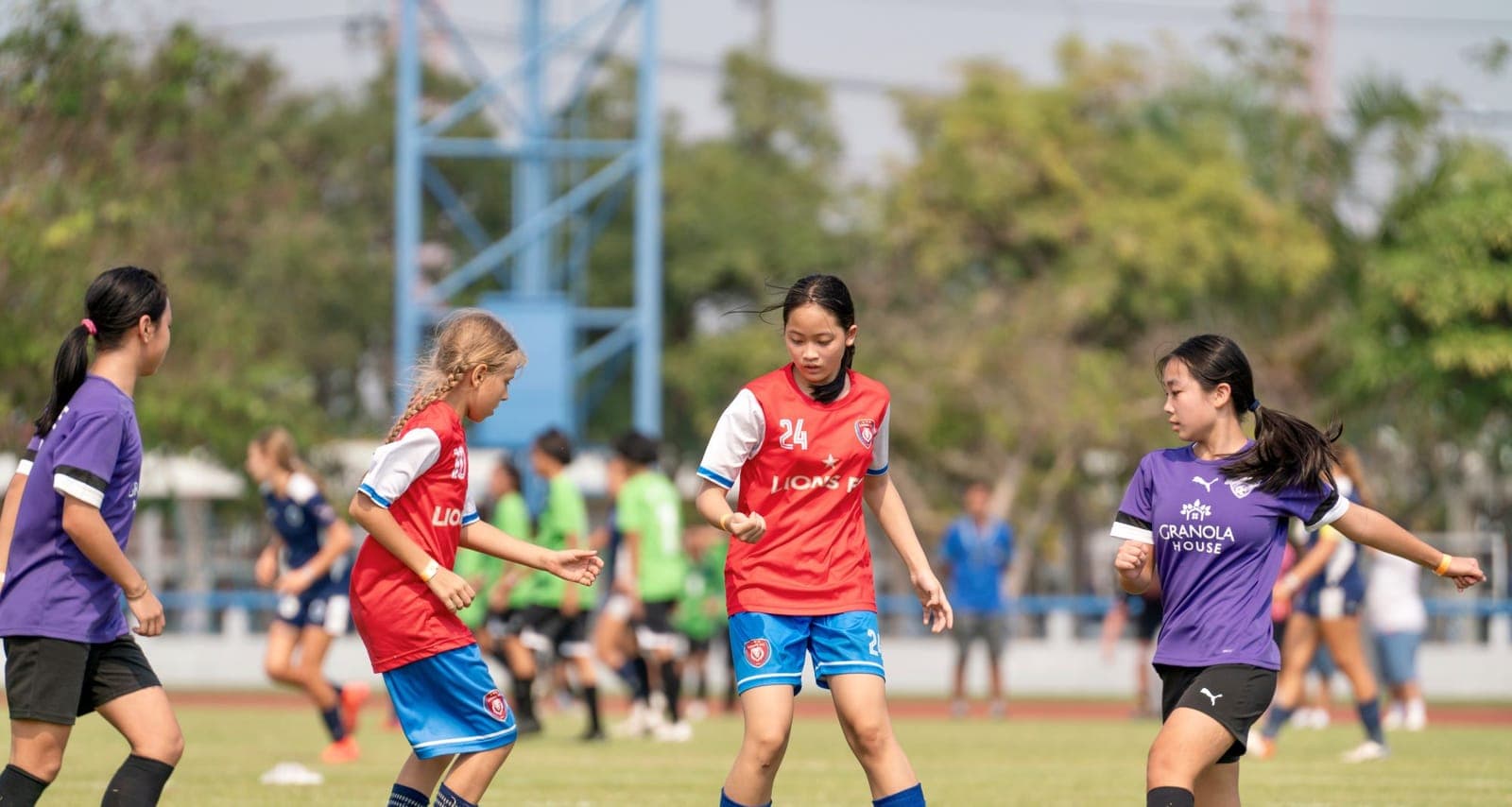
From the first whistle a match is full of things that are not fair. A bad bounce, a decision that goes against you, an opponent who is quicker than you today. What a player does in the ten seconds after one of those is the whole of self-control, and it decides more games than technique does.
It is not only about not shouting. It is the tone of voice, the shoulders, the face a teammate sees when she looks over after making a mistake. Every one of those signals either holds a team together or quietly pulls it apart, and girls read them instantly.
There is a reason this has to be practised rather than explained. The part of the brain that does it - the prefrontal cortex, which handles planning, decisions and emotional control - develops more slowly than the rest, and goes on developing into a person's twenties. It gets stronger with use, under conditions near enough to real pressure to count. An hour of football on a Monday is exactly that, with the advantage that nothing is actually at stake.
What comes out of it is specific: better decisions in the minutes that decide a match, fewer arguments between teammates, and the ability to keep playing your own game when the other team has just scored twice.
It also transfers. A girl who can lose a goal and still think clearly is the same girl who can lose marks on a test and still sit down to the next one.